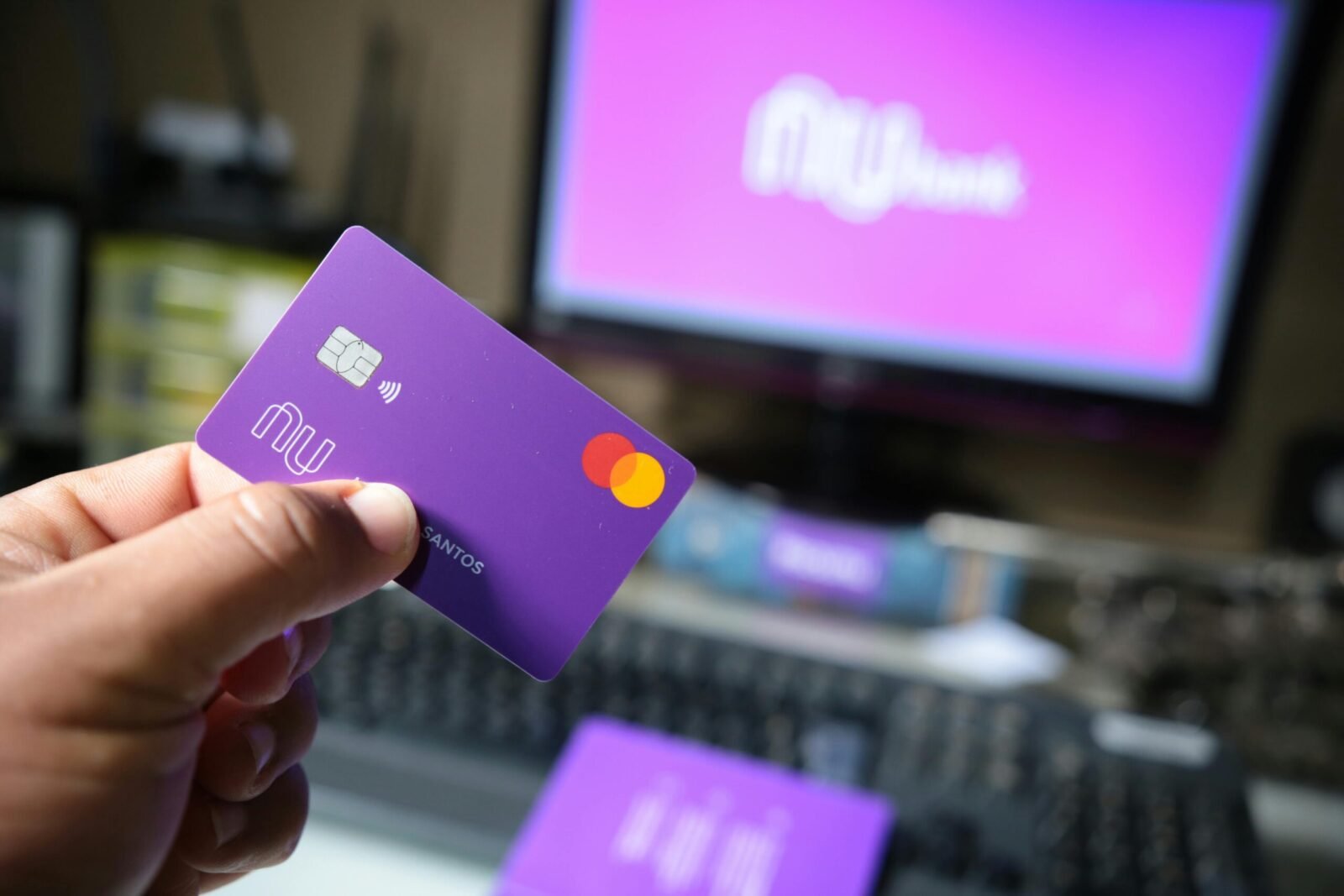
The banking world has changed rapidly, and today you have two main options: digital banks (online banks/neobanks) and traditional banks (branch-based banks). Each has its own advantages, limitations, and ideal use cases.
This guide will help you understand the difference between digital banks and traditional banks, their pros and cons, and which one is better for you.
What is a Digital Bank?
A digital bank operates entirely online through:
- Mobile apps
- Websites
There are no physical branches. You can open accounts, transfer money, and manage finances completely online.
Key features:
- 24/7 access
- Fast account setup
- App-based banking experience
Digital banks are also called neobanks or online-only banks.
What is a Traditional Bank?
A traditional bank has:
- Physical branches
- In-person services
- Full banking infrastructure
You can visit a branch for:
- Cash deposits
- Loan discussions
- Customer support
These banks combine both offline and online services.
Key Differences Between Digital Banks and Traditional Banks
1. Accessibility
Digital banks:
- Available 24/7 from anywhere
- No need to visit a branch
Traditional banks:
- Limited to working hours
- Require branch visits for some services
Digital banks clearly win in convenience and accessibility (LOG.NG)
2. Fees and Costs
Digital banks:
- Lower or zero fees
- No branch maintenance costs
Traditional banks:
- Higher fees (maintenance, ATM, overdraft)
Because digital banks have lower operational costs, they can offer cheaper services (DECTA)
3. Interest Rates
Digital banks:
- Higher savings interest rates
Traditional banks:
- Lower interest rates
Online banks often pass cost savings to customers through better returns (DECTA)
4. Customer Support
Digital banks:
- Chat, email, or phone support
- Often use AI chatbots
Traditional banks:
- Face-to-face interaction
- Personalized assistance
Traditional banks are better for complex issues and personal guidance (DECTA)
5. Services Offered
Digital banks:
- Basic services (checking, savings, payments)
- Limited advanced services
Traditional banks:
- Wide range (loans, mortgages, investments, business banking)
Traditional banks offer more comprehensive financial solutions (Investintel)
6. Cash Handling
Digital banks:
- Limited or no cash deposit options
Traditional banks:
- Easy cash deposits and withdrawals
If you deal with cash frequently, traditional banks are more practical (Investintel)
7. Speed and Technology
Digital banks:
- Faster transactions
- Real-time updates
- Advanced mobile apps
Traditional banks:
- Slower processes in some cases
- Improving digital features
Digital banks are generally more tech-driven and efficient (DECTA)
8. Security
Both types:
- Follow strict regulations
- Use encryption and fraud protection
- Offer deposit insurance
Both are equally safe if regulated properly (Investintel)
Pros and Cons of Digital Banks
Advantages
- 24/7 access and convenience
- Lower fees
- Higher interest rates
- Fast account opening and transactions
Disadvantages
- No physical branches
- Limited services
- Less personal support
- Cash deposits can be difficult
Pros and Cons of Traditional Banks
Advantages
- In-person customer support
- Wide range of financial products
- Easy cash handling
- Trusted reputation
Disadvantages
- Higher fees
- Lower interest rates
- Limited working hours
- Slower processes
Which One is Better?
It depends on your needs:
Choose digital banks if:
- You want convenience and mobile banking
- You prefer low fees and high interest
- You rarely deal with cash
Choose traditional banks if:
- You need branch access
- You handle cash regularly
- You want loans, mortgages, or business services
Best Strategy: Use Both
Many people use a combination:
- Digital bank → For savings and daily transactions
- Traditional bank → For cash handling and major services
This gives you the best of both worlds.
Common Mistakes to Avoid
Choosing only based on popularity
Ignoring fees and hidden charges
Not checking service limitations
Keeping all money in one type of bank
Always evaluate based on your financial habits.
Future of Banking
Digital banking is growing rapidly due to:
- Smartphone usage
- Demand for convenience
- Lower costs
Traditional banks are also evolving by adding digital features to stay competitive.
Final Thoughts
Digital banks and traditional banks both have their strengths. Digital banks offer speed, low cost, and convenience, while traditional banks provide trust, personal service, and full financial support.
There is no one-size-fits-all answer—the best choice depends on your lifestyle. For most people, combining both options is the smartest way to manage money efficiently in today’s world.